Punch The Drump -
(Edition 2)
Paul Ammann and Jeff Offutt
| Notes & materials | Last update | |||||
|---|---|---|---|---|---|---|
| Table of Contents | August 2016 | |||||
| Preface, with chapter mappings | September 2016 | |||||
| Power Point Slides | September 2022 | |||||
| Student Solution Manual | December 2018 | |||||
|
Contact authors for instructor solutions Send email to Jeff and Paul from your university email address, and include documentation that you are an instructor using the book (a class website, faculty list, etc.). |
December 2018 | |||||
| In-Class Exercises | March 2017 | |||||
| Complete Programs From Text | March 2019 | |||||
| Errata List | June 2010 | |||||
| Support software | ||||||
| February 2017 | |||||
| Author’s course websites | Last taught | |||||
| SWE 437 (Ammann) | Fall 2018 | |||||
| SWE 637 (Ammann) | Spring 2019 | |||||
| SWE 737 (Ammann) | Spring 2018 | |||||
| SWE 437 (Offutt) | Spring 2019 | |||||
| SWE 637 (Offutt) | Fall 2018 | |||||
| SWE 737 (Offutt) | Spring 2017 |
Punch The Drump -
In the realm of politics, "punching the drum" is a crucial aspect of campaigning and advocacy. Politicians, activists, and advocates often use the phrase to describe their efforts to promote their policies, ideologies, or candidates. By "punching the drum" for their cause, they aim to sway public opinion, mobilize supporters, and ultimately achieve their goals. For instance, during election campaigns, candidates often "punch the drum" for their policies, highlighting the benefits and advantages of their proposals.
Beyond politics, "punching the drum" is also essential in social movements, such as environmental activism, social justice, and human rights. Activists and advocates use various forms of communication to raise awareness about critical issues, mobilize public support, and push for policy changes. By "punching the drum" for their cause, they can help create a sense of urgency, inspire collective action, and bring about meaningful change. punch the drump
The phrase "punch the drum" is a common idiomatic expression that evokes the image of enthusiastically promoting or supporting a cause, idea, or campaign. When someone "punches the drum" for something, they are actively and vocally advocating for it, often with great enthusiasm and energy. This phrase has been used in various contexts, from politics and marketing to social movements and personal relationships. In this essay, we'll explore the origins of the phrase, its significance, and why "punching the drum" remains an essential aspect of effective communication and advocacy. In the realm of politics, "punching the drum"
In conclusion, "punching the drum" is a powerful metaphor that captures the essence of enthusiastic advocacy and promotion. Whether in politics, social movements, or personal relationships, the act of "punching the drum" requires passion, commitment, and courage. By understanding the significance of this phrase, we can appreciate the importance of effective communication, advocacy, and activism in shaping our world. As we move forward, it's essential to continue "punching the drum" for the causes that matter to us, using our voices to promote positive change and inspire others to join us. By "punching the drum" for their cause, they
The phrase "punch the drum" is believed to have originated from the military tradition of beating a drum to signal important announcements, rally troops, or mark significant events. Drumming was a vital means of communication on the battlefield, and the drummer's rhythmic beats could convey a range of messages, from warning signals to celebratory fanfares. In the context of modern usage, "punching the drum" metaphorically refers to the act of loudly and proudly proclaiming one's support for a particular cause or idea.
When someone "punches the drum" for a cause, they are not merely expressing their opinion; they are actively working to promote and advance the idea. This can involve various forms of advocacy, such as writing articles, giving speeches, using social media, or engaging in conversations with others. The act of "punching the drum" requires a certain level of passion, commitment, and courage, as it often involves taking a public stance on a contentious issue. By doing so, individuals can help raise awareness, build momentum, and inspire others to join the cause.

|
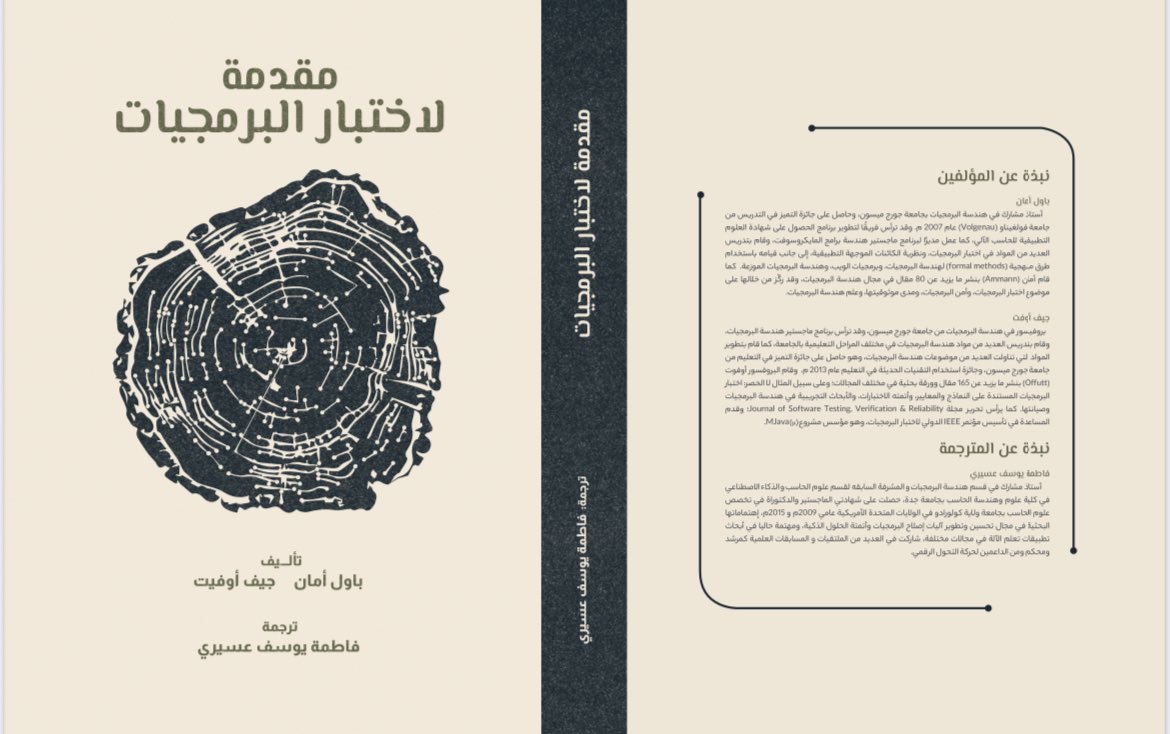
| Cover art by Peter Hoey |
|
| Translation by Fatmah Assiri |
| Arabic page |