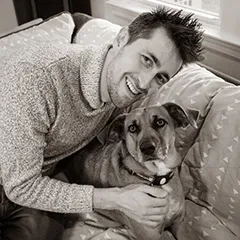
Location Boston, MA
Interests Programming, Photography, Cooking, Game Development, Reading, Guitar, Running, Travel, Never having enough time...
Working On fusion energy at CFS
This Site Made with Astro, Cloudinary , and many many hours of writing, styling, editing, breaking things , fixing things, and hoping it all works out.
Education B.S. Computer Science, New Mexico Tech
Contact site at dillonshook dot com
Random Read another random indie blog on the interweb
Subscribe Get the inside scoop and $10 off any print!
Novo Script Zo Samurai Updated -
return result
# Encrypt lowercase characters else: result += chr((ord(char) + shift - 97) % 26 + 97) novo script zo samurai updated
def multi_layer_encrypt(text, caesar_shift, vigenere_keyword): # First, apply Caesar Cipher caesar_text = caesar_cipher(text, caesar_shift) # Then apply Vigenère Cipher # This is a simplified example; full implementation requires more code vigenere_text = "" keyword_index = 0 for char in caesar_text: if char.isalpha(): shift = ord(vigenere_keyword[keyword_index % len(vigenere_keyword)].lower()) - 97 if char.isupper(): result_char = chr((ord(char) + shift - 65) % 26 + 65) else: result_char = chr((ord(char) + shift - 97) % 26 + 97) vigenere_text += result_char keyword_index += 1 else: vigenere_text += char return vigenere_text return result # Encrypt lowercase characters else: result
for i in range(len(text)): char = text[i] vigenere_keyword): # First
encrypted = multi_layer_encrypt(text, caesar_shift, vigenere_keyword) print(f"Encrypted: {encrypted}") This example provides a basic insight into how you might structure the encryption. Expanding this into a full-featured application with a user interface, additional encryption layers, and QR code integration would be the next step.
def caesar_cipher(text, shift): result = ""